Understanding Plantar Fasciitis: A Guide to Symptoms, Causes, and Treatment
Have you ever felt a sharp, nagging pain in your heel that makes your first steps in the morning a struggle? You’re not alone, and many people experience this discomfort as a result of plantar fasciitis.
- Plantar fasciitis is inflammation of the tissue connecting the heel to the toes, often caused by strain or foot mechanics.
- Key symptoms include sharp heel pain, especially in the morning, and discomfort during activity or after standing.
- Treatment includes stretching, orthotics, and, in severe cases, surgery, with prevention focused on supportive shoes and gradual activity increases.
Have you ever felt a sharp, nagging pain in your heel that makes your first steps in the morning a struggle? You’re not alone, and many people experience this discomfort as a result of plantar fasciitis. Understanding your body and what it’s going through can empower you to seek the right help and start your journey toward recovery.
This guide will delve into the anatomy of the foot, explore the symptoms and causes of plantar fasciitis, and discuss treatment options to alleviate your pain.
What is Plantar Fasciitis?
Plantar fasciitis a common condition that causes discomfort in the bottom of the heel.
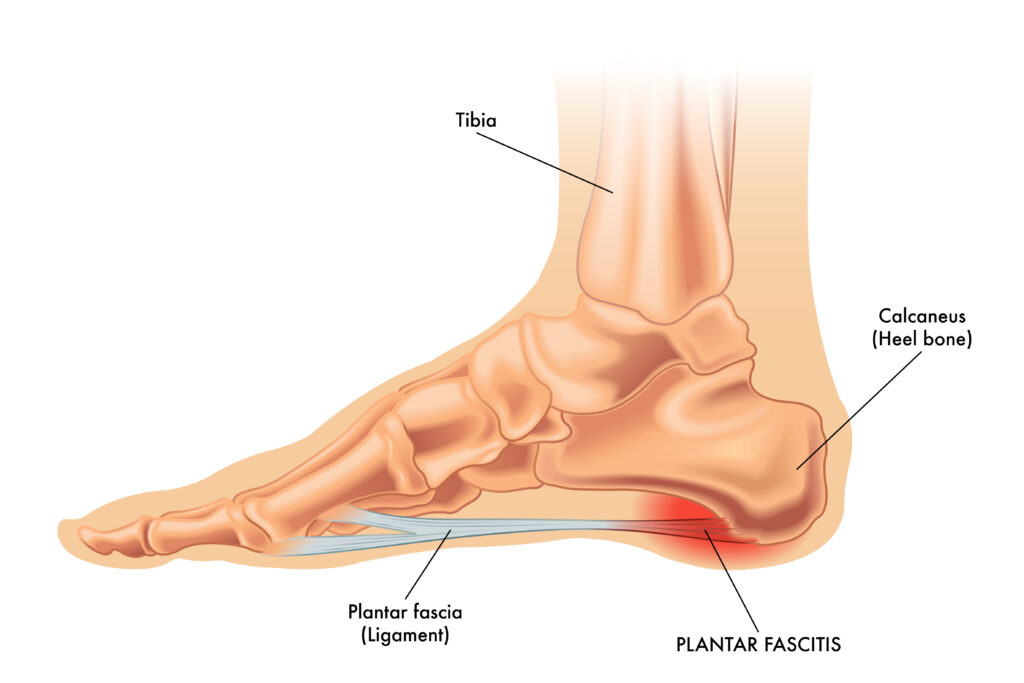
The plantar fascia is a thick band of tissue that runs across the bottom of your foot, connecting your heel bone to your toes. Plantar fasciitis occurs when this band becomes inflamed, often leading to painful sensations in the heel or the bottom of the foot.
While it’s frequently associated with runners due to their high-impact activity, various risk factors can contribute, such as flat feet, tight calf muscles, or even an sharp increase in physical activity. Certain medical conditions and lifestyle factors – like being on your feet for extended periods – can also play a part.
Anatomy of the Foot and Plantar Fascia
Understanding the anatomy of the foot is crucial because it’s the foundation that helps us stand, walk, and run.
Think of the plantar fascia as a strong rubber band stretching across the bottom of your foot. It’s a thick band of connective tissue that connects your heel bone to your toes and maintains the arch of your foot, playing an essential role in how you move.
Foot and ankle disorders frequently involve the interaction between muscles and ligaments, affecting both mobility and stability. Just imagine if the laces on your shoes were too loose or too tight; either scenario can make walking uncomfortable or difficult. Similarly, conditions that affect the plantar fascia or other components of the foot can lead to discomfort and require care.
Causes of Plantar Fasciitis
Overuse and Strain on the Plantar Fascia
One of the primary culprits behind plantar fasciitis is overuse and strain. This can happen when you’ve amped up your physical routine without proper conditioning—your plantar fascia is under more stress than it is ready for. Whether you’re running more miles than usual, standing all day at work or on a new exercise kick, your plantar fascia might be working overtime.
Biomechanical Factors Contributing to the Condition
Biomechanical factors play a role here, too. This includes but is not limited to issues like an uneven gait, imbalanced weight distribution, or improper footwear that doesn’t support your feet correctly. Think of your foot as a bridge – if the arch isn’t architecturally sound, there’s bound to be trouble. That’s essentially what happens with your plantar fascia when biomechanical issues are at play.
Risk Factors Associated with Plantar Fasciitis
Several risk factors can make you more susceptible to plantar fasciitis. Certain conditions can increase your chances, such as carrying extra weight that puts more demand on the plantar fascia. Even your job could be a risk factor—if it involves long periods of standing or walking, especially on hard surfaces, that can add to the strain.
Flat feet or a high arch can also put you at risk, as they can affect the way your weight is distributed and how your foot hits the ground with each step. Having tight calf muscles and Achilles tendons might also mean you’re less flexible, further affecting your stride and putting stress on your plantar fascia.
If you suddenly ramp up high-intensity exercise, your plantar fascia might be in for a shock, increasing your risk for inflammation.
Symptoms of Plantar Fasciitis
Plantar fasciitis tends to have a few common symptoms that you might recognize. Some of these may be more intense than others, depending on the individual and the severity. These symptoms can occur on their own or in combination. If any of these symptoms sound familiar and are affecting your quality of life, reaching out to a healthcare provider or a physical therapist is your best move. They can conduct a physical exam, rule out other conditions like a stress fracture or different medical conditions, and help you find a path toward pain relief. Seeking treatment for plantar fasciitis early can prevent it from becoming chronic, so don’t hesitate to take that step towards a more comfortable life.
Sharp Heel Pain Upon Waking
One of the signature symptoms of plantar fasciitis is a sharp, stabbing pain in the heel or the underside of the foot. This pain is often most severe with the first few steps you take in the morning after getting out of bed. The reason behind this morning discomfort is that the plantar fascia tends to tighten overnight, and those initial steps can be quite a shock to the system as the fascia stretches back out.
Pain After Long Periods of Standing or Sitting
You might also notice that pain flares up after you’ve been standing for a prolonged time or even when you stand up after sitting for a while. This type of pain can feel like a dull ache or a burning sensation in the heel or along the arch of the foot. In cases of plantar fasciitis, the tissue gets irritated and inflamed, and staying in one position for an extended period may exacerbate this discomfort.
Discomfort During Physical Activity
If you’re experiencing discomfort during physical activity, it’s another signal that could point to plantar fasciitis. While exercise is great for your health, certain activities might put extra stress on the plantar fascia, leading to pain during or after physical exertion.
Diagnosing Plantar Fasciitis
Facing the discomfort of plantar fasciitis can truly impact your daily life. Knowing the right steps to diagnose plantar fasciitis can set you on the path to relief and recovery.
Clinical evaluation techniques
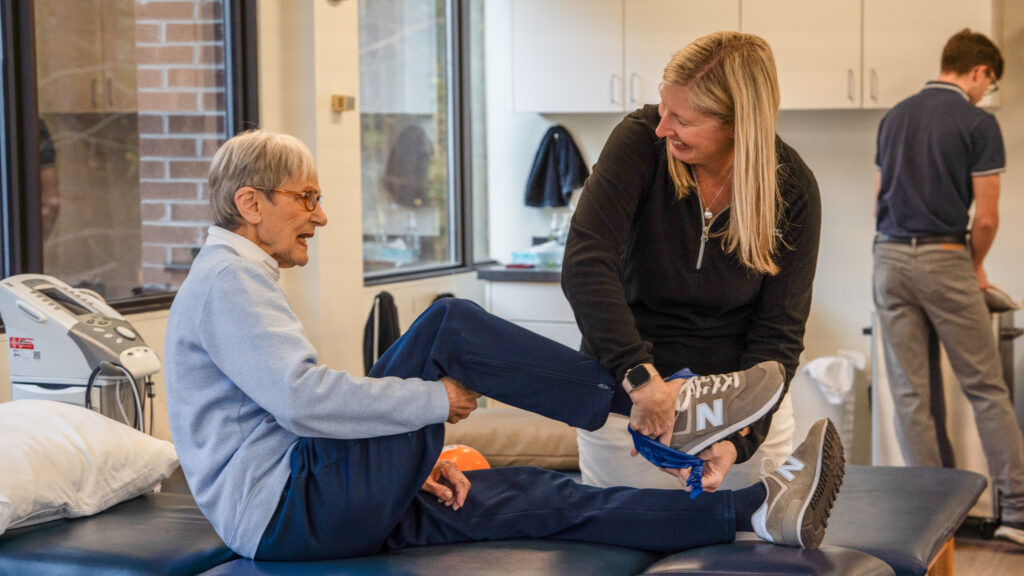
When you visit a physical therapist, they will start with a physical exam to understand your symptoms. Physical Therapists start by examining the bottom of your foot, checking for areas of tenderness, and evaluating the strength and health of your plantar fascia.
They’ll also inquire about your physical activity routine, because runners and others who engage in repetitive impact activities are at higher risk. Flat feet, tight calf muscles, and other risk factors might come into play, contributing to the tension on your plantar fascia. This one-on-one evaluation is a crucial step in pinpointing the condition and personalized treatment options that could include physical therapy.
There are conditions whose symptoms mimic plantar fasciitis pain, so getting an accurate diagnosis is key.
Imaging studies for accurate diagnosis
In some cases, your health care professional might recommend imaging studies to rule out other concerns like stress fractures, which can mimic the symptoms of plantar fasciitis. While the pain may feel similar, treatments diverge, so accuracy is key. An X-ray or MRI may not be necessary for everyone, but these tools provide a clear picture of the internal structure of your foot and can be instrumental in confirming the diagnosis or highlighting other underlying medical conditions.
It’s worth noting that while advanced imaging like MRIs can provide comprehensive details, most cases of plantar fasciitis are diagnosed with a physical exam and patient history alone. The use of imaging is typically reserved for chronic plantar fasciitis cases that do not respond to several months of conservative treatment or when the diagnosis is not clear.
Conservative Treatment of Plantar Fasciitis
When it comes to plantar fasciitis treatment, conservative treatment methods are often the first line of defense. These non-invasive approaches focus on relieving pain and inflammation while improving the flexibility and strength of your plantar fascia.
A multi-disciplinary panel of experts have designed evidence-based clinical practice guidelines to assure you’re receiving the most effective care. They’ve recommended several conservative treatments that can help improve your quality of life:
- Physical Therapy: A physical therapist can tailor exercises and stretches to improve flexibility in your calf muscles and plantar fascia. Think of this as a daily tune-up for your feet, keeping them running smoothly.
- Orthotic Devices: Customized or over-the-counter orthotics provide vital arch support, redistributing pressure and easing the strain on your plantar fascia, much like a well-designed cushion absorbs shock.
- Rest and Ice: Sometimes, the simplest treatments can provide immense relief. Taking a break from high-impact physical activities and applying an ice pack can reduce inflammation, akin to putting out a small fire before it spreads.
- Medications: Nonsteroidal anti-inflammatory drugs (NSAIDs) can offer temporary comfort from the pain and swelling, providing a much-needed reprieve during flare-ups.
Invasive Treatment Options
In cases where conservative methods haven’t painted the full picture of your relief, more invasive treatment options come into play. These approaches are generally considered when the chronic pain of plantar fasciitis persists, despite having tried other methods.
The goal of invasive treatment is to directly address the structural issues causing your pain. It’s similar to repairing a persistent leak in a roof; sometimes reinforcement from the inside is necessary. Here’s a shortlist of surgical interventions that might be discussed:
- Plantar Fascia Release: This surgical procedure involves cutting a part of the plantar fascia to release tension and reduce inflammation.
- Removal of Bone Spurs: If bone spurs are aggravating your plantar fascia, surgery to remove them might be recommended.
- Minimally Invasive Techniques: Methods like endoscopic surgery can lessen tissue damage and promote a speedier recovery, much like fixing a device without having to dismantle it entirely.
Before considering surgery, talk with your health care team about the potential benefits and risks. Surgery, like any significant repair job, comes with its set of considerations including recovery time and possible complications.
Preventive Measures for Plantar Fasciitis
Importance of Proper Footwear
Supportive and well-cushioned shoes serve as your first line of defense against foot pain and conditions related to plantar fasciitis. Whether you’re running errands or running a marathon, remember that each step should be supported. A physical therapist can help you find a shoe that works for you and your lifestyle.
Regular Stretching and Strengthening Exercises
Incorporating some simple stretches and strengthening exercises for your feet and lower legs could be a game-changer. Keeping your foot muscles flexible and strong enables them to handle stress much better. A physical therapist can be your guide, teaching you exercises that support the feet, reducing the risk of plantar fasciitis.
Slowly Ramping Up Activity
Injuries can occur when we increase our intensity too quickly. Make sure to slowly ramp up your activities, both week-by-week and during your workout. A proper warm-up helps prepare your body for activity by increasing blood flow and activating the muscles.
Lifestyle Modifications to Reduce Risk
Your overall lifestyle plays a supporting role in plantar fasciitis prevention too. Dialing back on high-impact activities on hard surfaces can help. Living a generally healthy lifestyle with strength training, cardio, eating healthy, and moving throughout the day can help prevent many injuries and diseases.
Sleep is another key ingredient in your daily routine that requires attention. A proper sleep schedule supports your body’s overall functioning and contributes to symptom management.
There may be some things you can’t change, such as a job that requires you to be on your feet all day, but being aware of how it affects your body can help you work around it. Maybe you need to more supportive shoes or need to do some targeted strengthening or stretching exercises so you are more prepared to be on your feet.
When in doubt, a healthcare provider is just a conversation away, ready to guide you toward choices that support your feet and enhance your quality of life. Remember, it’s not about making leaps and bounds overnight; it’s about incremental steps toward lasting foot health. Keep stepping forward—you’ve got this!
We, as physical therapists, recommend following the PEACE & LOVE protocol for injuries, which promotes optimal healing and long-term recovery.
By taking a measured, mindful approach, you build resilience, confidence, and a positive relationship with physical activity, ensuring your journey is one of progress.
Effective balance training for a skier must challenge and sharpen proprioception, teaching your body to anticipate and react dynamically.
The daily choices you make—the shoes you wear, the way you move, the fuel you give your body—collectively determine the health of your feet.
Foot pain can arise from a wide range of conditions, from the common plantar fasciitis to the complexities of arthritis.